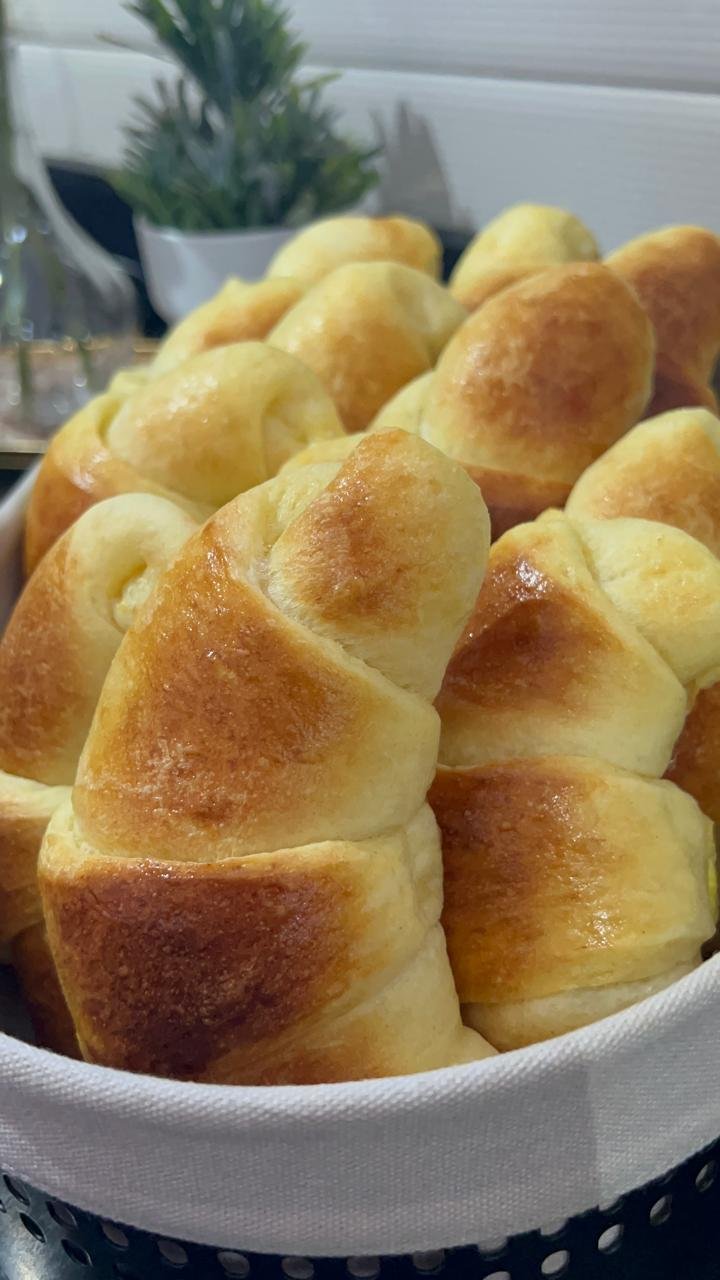
Banana Dinner Rolls: Amazing Soft Recipe, Makes 18
These banana dinner rolls come out of the oven glossy and deep golden, and the smell is somewhere between fresh bread and banana cake. Three ripe bananas go straight into the dough with the flour and the yeast, which gives the crumb a natural sweetness and a softness that holds for days without any added sugar beyond a sachet of vanilla sugar. One batch makes eighteen rolls, which with four kids at the table is not as many as it sounds. You get a soft, slightly sweet bread that works for breakfast with butter or alongside a savory meal.
Why You’ll Love These Banana Dinner Rolls
- The bananas do the sweetening. There is no sugar in the dough beyond one sachet of vanilla sugar. The ripe bananas carry it, which means the rolls taste sweet without being dessert.
- They stay soft for days. Banana keeps moisture in the crumb far longer than a plain roll. On day three they are still tender rather than stale.
- Everything goes in one bowl. Flour, eggs, bananas, yogurt and yeast all together from the start. No creaming, no separate wet and dry bowls.
- One batch makes eighteen. Enough for a family breakfast with some left over, or to freeze half for later.
Ingredient Notes
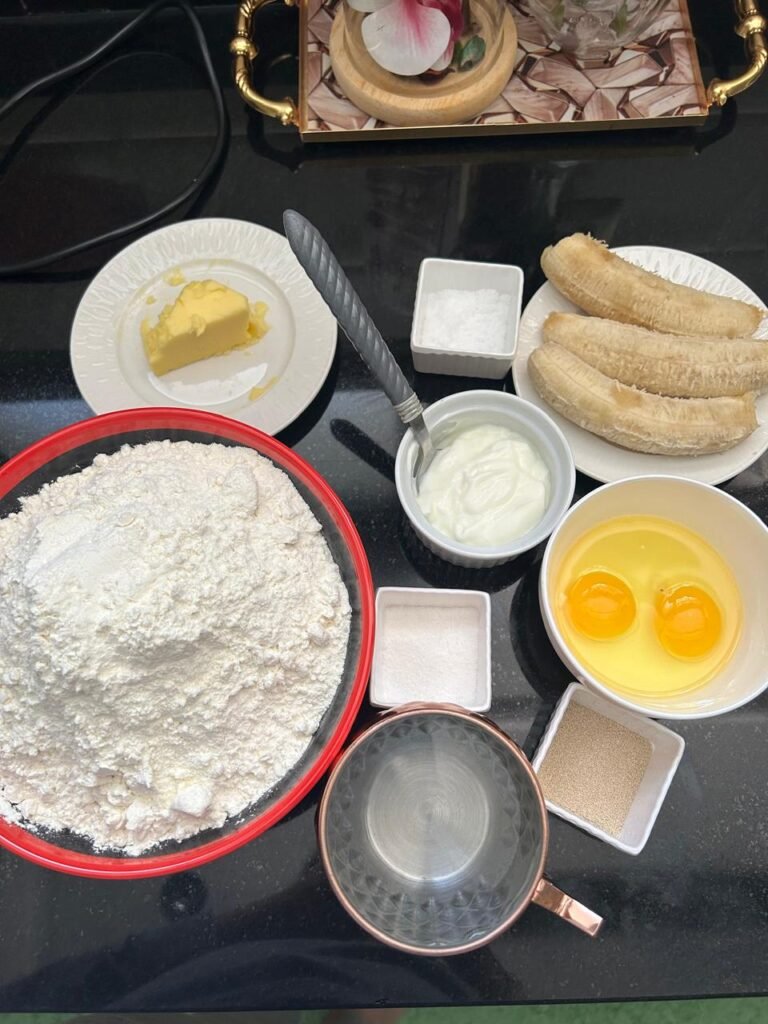
| Ingredient | What to know |
|---|---|
| Bananas | Use them properly ripe – heavily speckled or fully brown skins. Underripe bananas are starchy rather than sweet and they will not mash into the dough evenly. Very ripe bananas also add more moisture, so you will need less water. |
| Active dry yeast | Check the date on the packet. Old yeast is the number one reason bread dough does not rise. If you are unsure, dissolve it in a little of the warm water with a pinch of the flour and wait five minutes – it should foam. |
| Plain yogurt | Regular plain yogurt, not Greek. It tenderizes the crumb and adds a slight tang that balances the banana. Greek yogurt is too thick and will make the dough stiff. |
| Warm water | Warm, not hot. Around 110°F (43°C) – it should feel comfortable on your wrist. Water above 120°F kills the yeast, and cold water slows the rise to a crawl. |
| Butter and olive oil | Both go in after the dough has come together, never at the start. Fat added early coats the flour and stops the gluten forming, which gives you a dense roll instead of a soft one. |
How to Make Banana Dinner Rolls – Step by Step
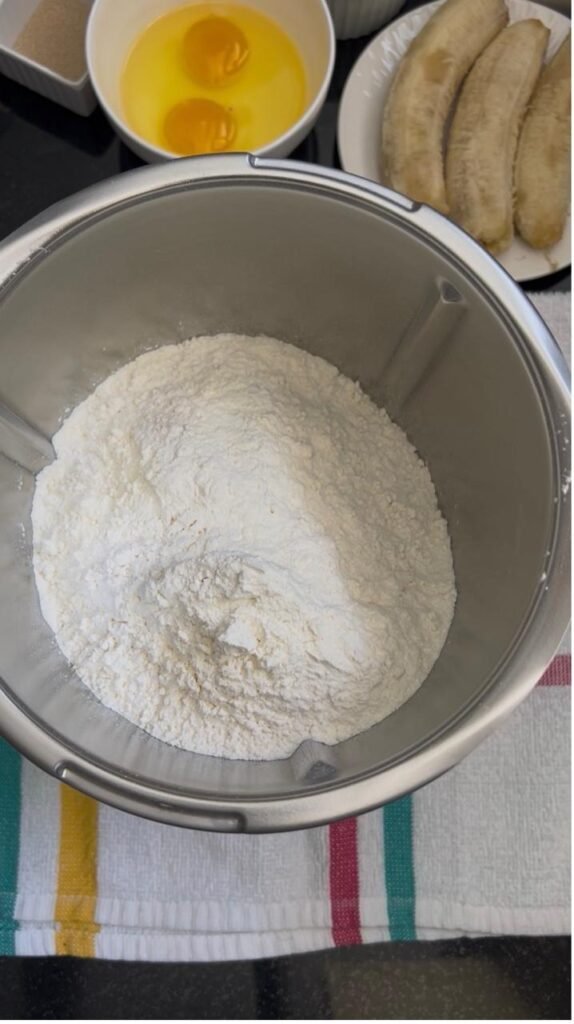
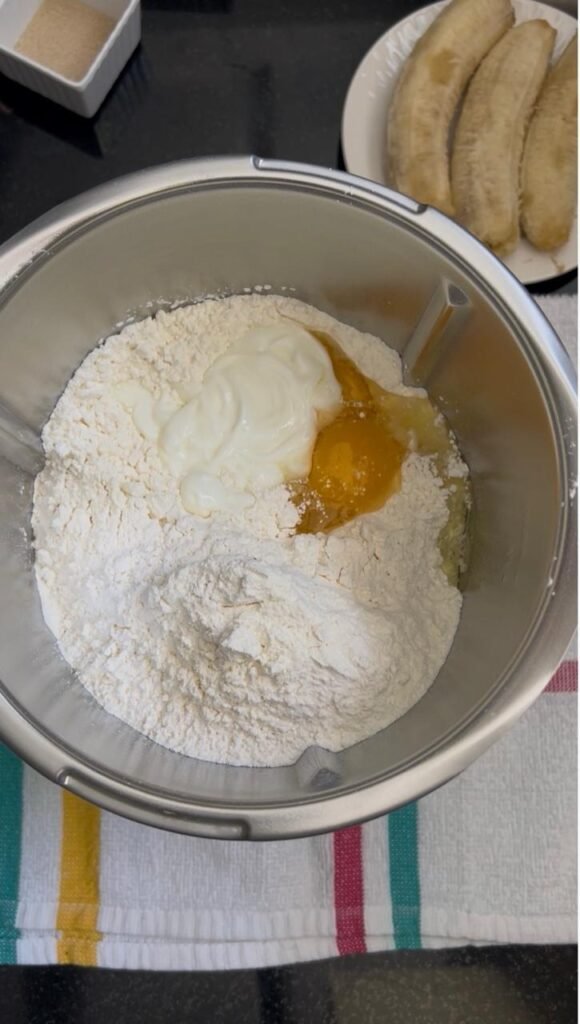
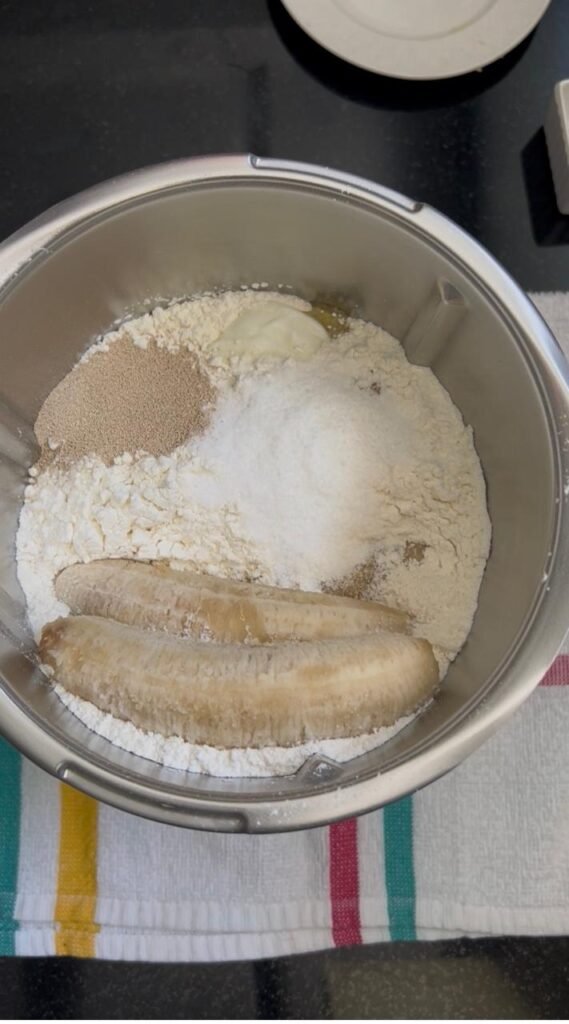
Put everything in the bowl except the fats. Flour, eggs, salt, vanilla sugar, vanilla extract, bananas, yogurt and yeast all go in together (see photo). You do not need to mash the bananas first – the mixer or your hands will break them down as the dough forms.
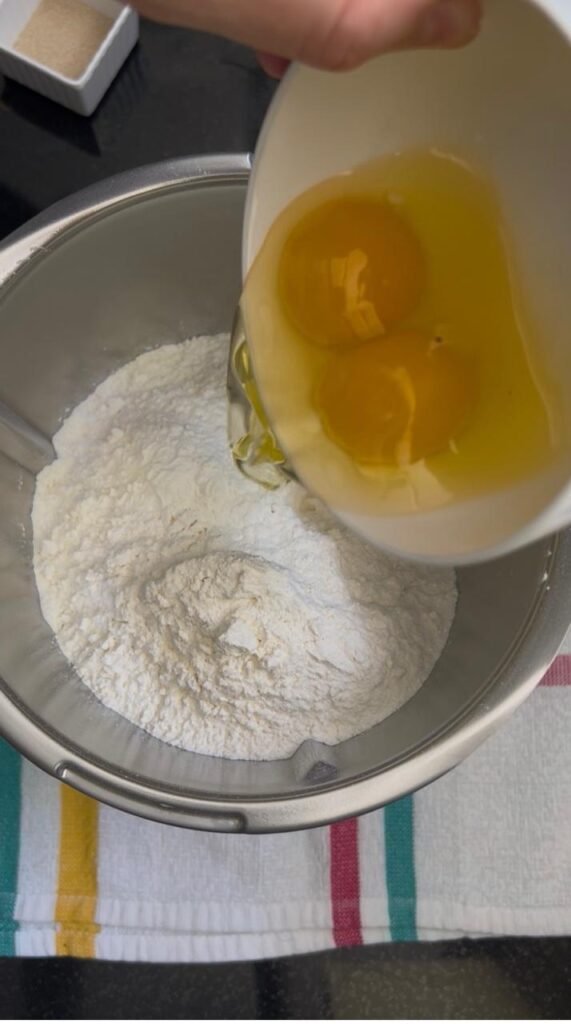
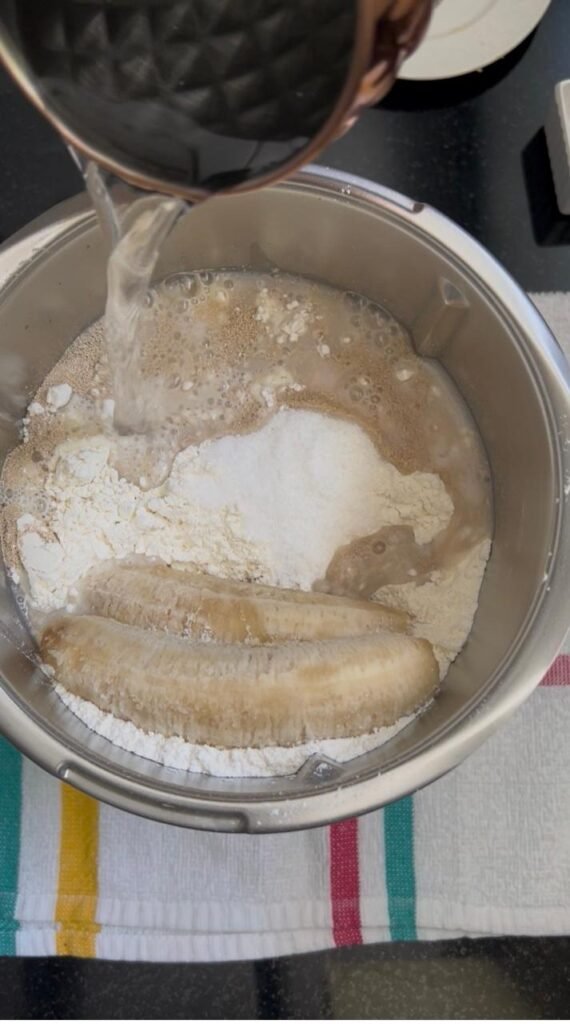
Add the warm water gradually. Pour it in a little at a time while mixing (see photo). How much you need depends entirely on how ripe your bananas are and how humid your kitchen is. Stop when the dough gathers into a single mass that pulls away from the sides. A wet, sticky dough is much harder to shape than a slightly firm one.
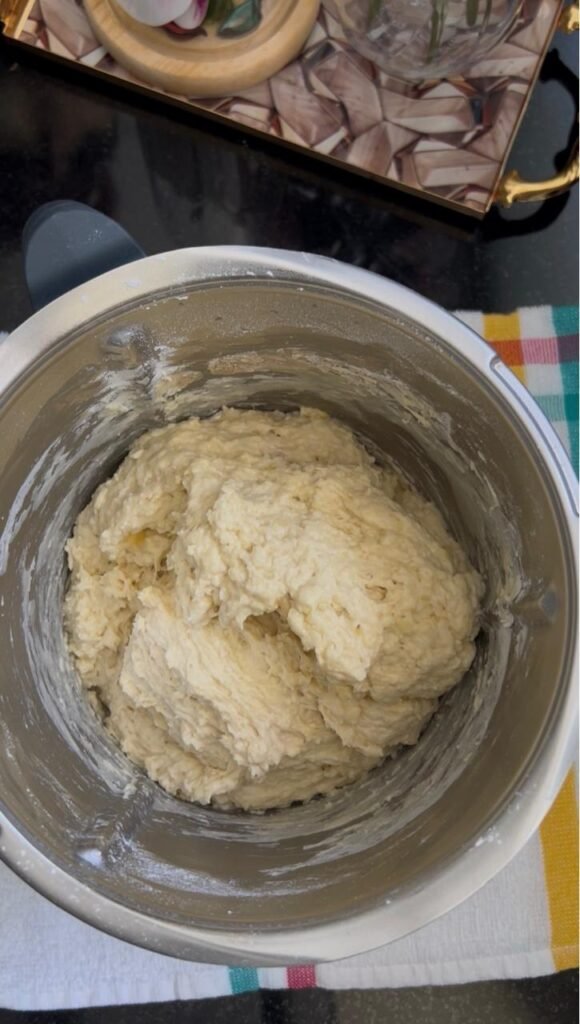
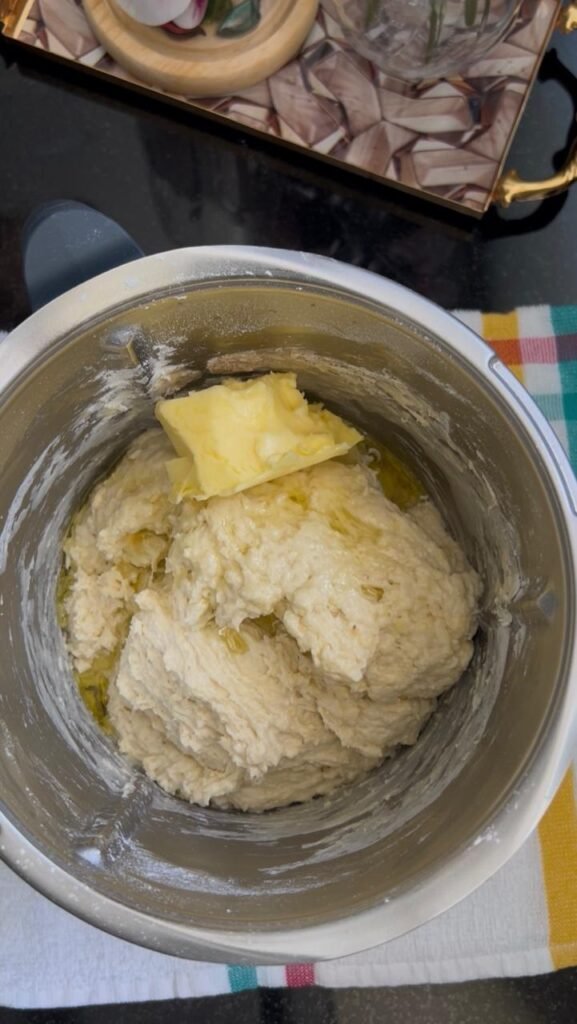
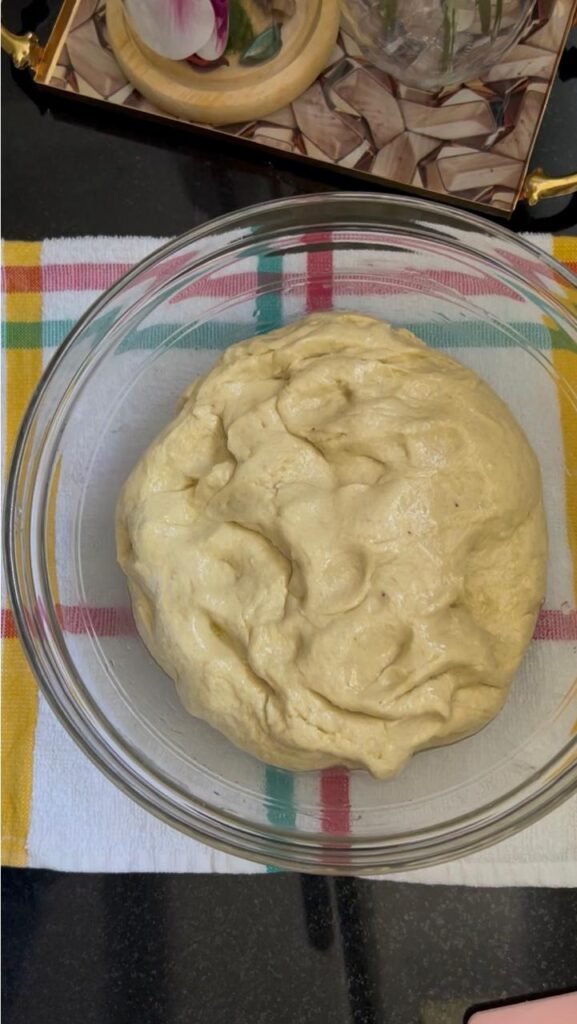
Knead until smooth, then add the oil and butter. Once the dough is smooth and elastic, add the olive oil and the piece of butter and keep working until they disappear completely (see photo). The dough will look broken and greasy for a minute – keep going, it comes back together. Adding fat at this stage rather than at the start is what gives you a soft crumb without losing structure.
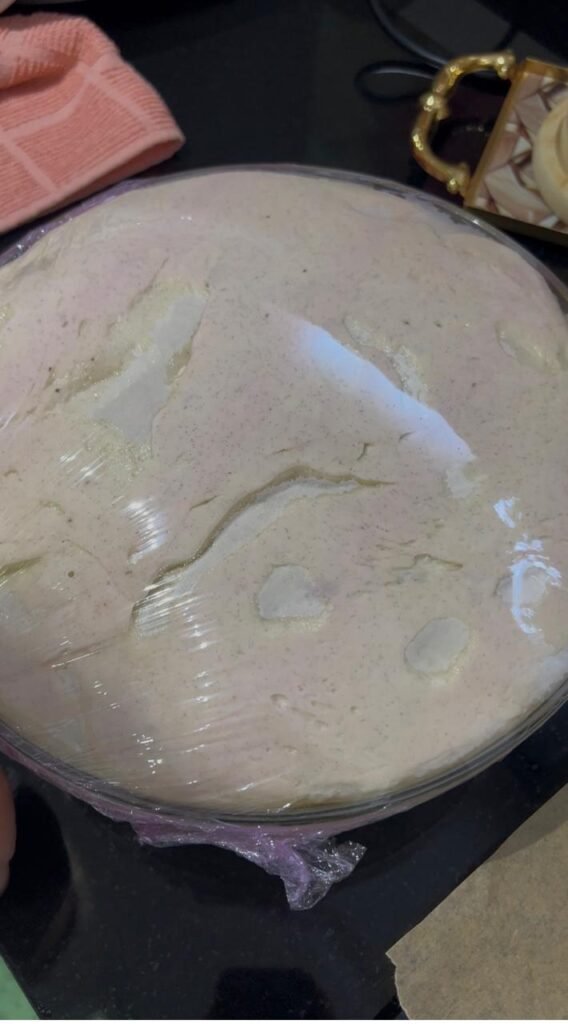
First rise until doubled. Cover the bowl with plastic wrap and a kitchen towel and leave it somewhere warm (see photo). How long depends on your kitchen – in a warm room this can take an hour, in a cool one closer to two. Judge by the dough, not the clock. It should be visibly doubled and feel airy when you press it.
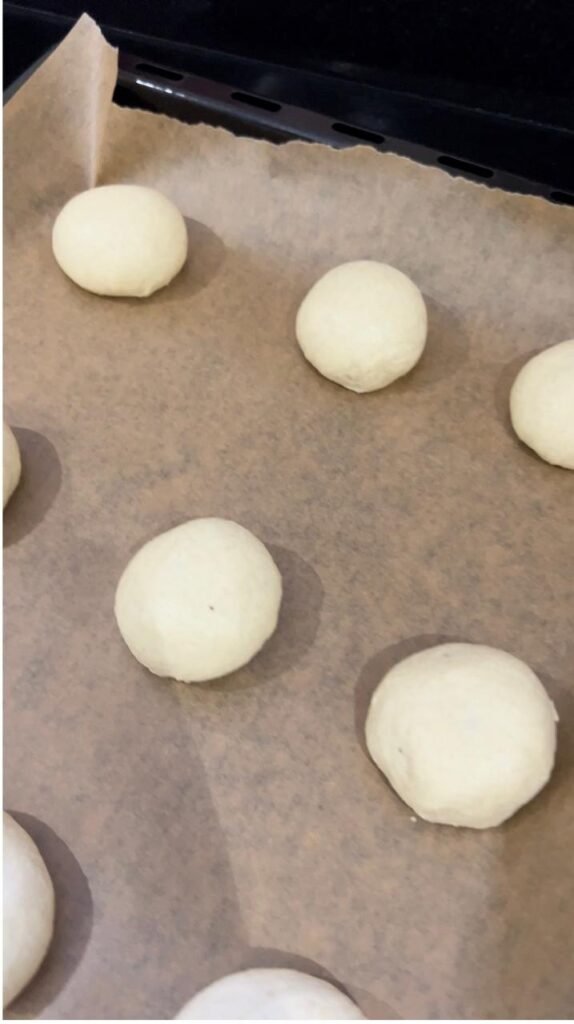
Punch down and shape eighteen rolls. Deflate the dough gently and divide it into eighteen equal pieces. Roll each one between your palms into a tight smooth ball and space them well apart on a parchment-lined sheet (see photo). A tight ball holds its shape in the oven; a loosely rolled one spreads flat.
Second rise, then glaze. Let the shaped rolls rise again until visibly puffed – this is shorter than the first rise. Brush them with an egg beaten with a little milk and scatter over sesame seeds if you like (see photo). The milk in the wash is what gives that deep glossy brown rather than a pale matte finish.
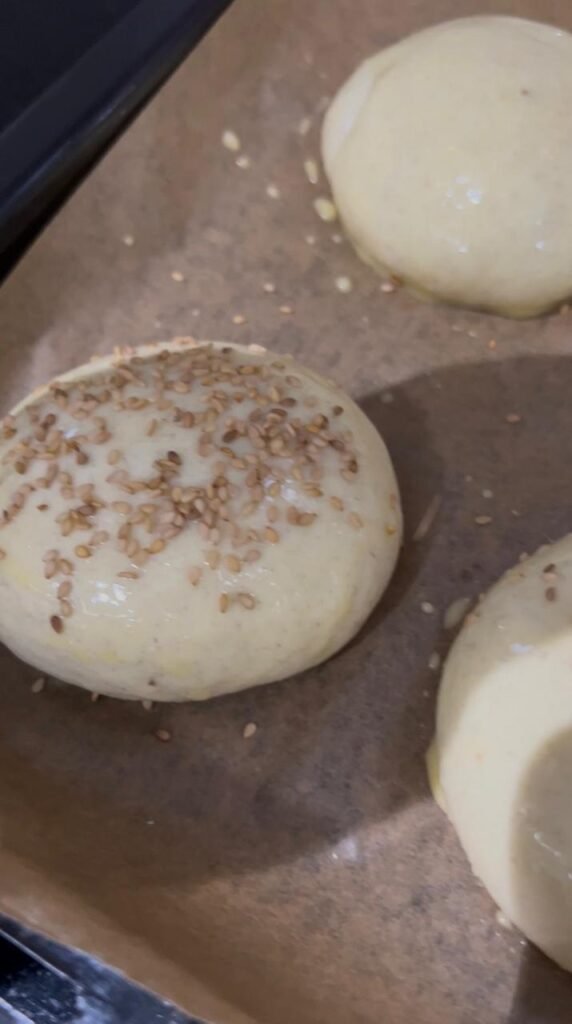
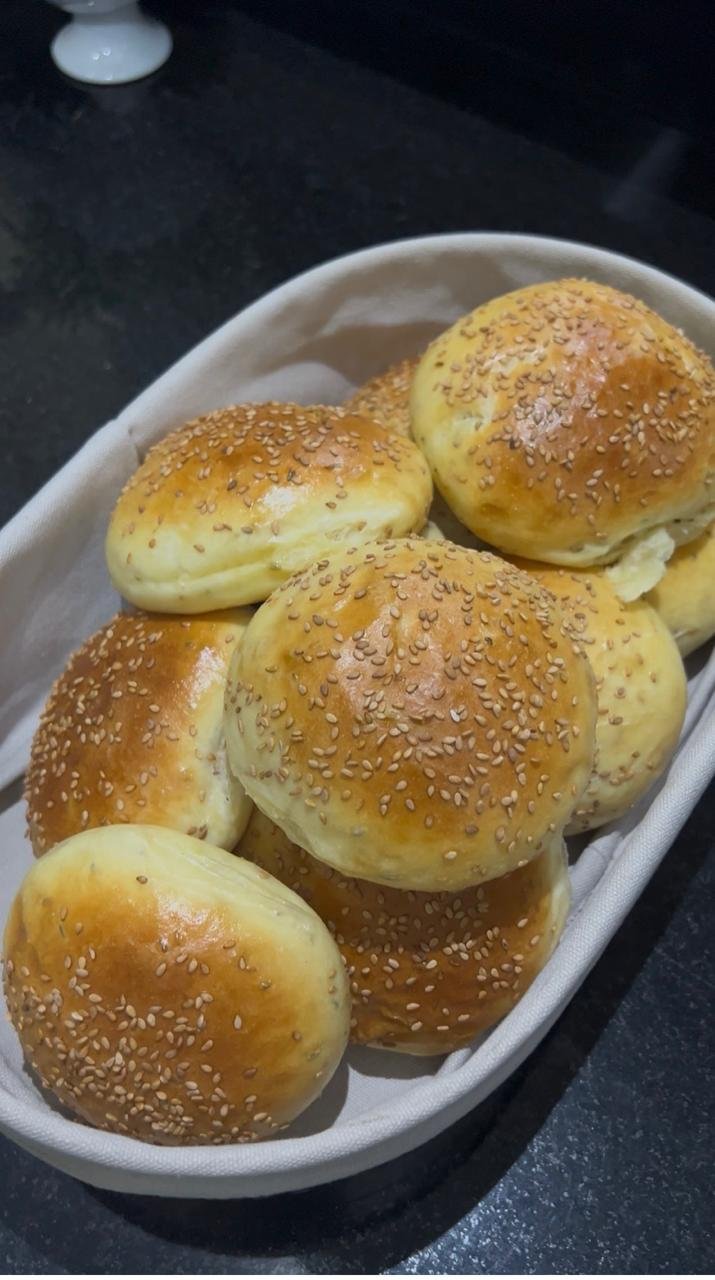
Bake at 350°F (180°C) for 15 to 20 minutes. They are done when the tops are deep golden and they sound hollow if you tap the base. Pull them before they go dark – these rolls carry on coloring slightly as they cool.
My Top Tips for Soft Banana Dinner Rolls
- Judge the rise by volume, not by time. Every kitchen is different. A cold room can double the rising time and there is nothing wrong with that.
- Hold back some of the water. Ripe bananas carry a lot of moisture. Start with less water than you think and add more only if the dough will not come together.
- Roll the balls tight. Cup your palm over the piece of dough and move it in circles against the counter. The surface tension you build is what makes them rise upward rather than outward.
- Do not skip the milk in the egg wash. Egg alone gives a yellow shine. Egg with a splash of milk gives that deep bakery brown you see on the finished rolls.
- Give them room on the tray. They expand a lot during the second rise and again in the oven. Crowded rolls fuse together and stay pale where they touch.
In this house these rolls do triple duty. Split and spread with chocolate hazelnut spread or soft cheese for breakfast, and sometimes I use them as burger buns for dinner – the crumb is soft enough to press without falling apart and sturdy enough to hold a filling.
Add the olive oil and butter only after the dough has already come together and turned smooth. Fat added at the start coats the flour and blocks the gluten from developing, and you end up with a dense heavy roll instead of a soft one.
Common Problems and Fixes
Why didn’t my banana dinner rolls rise?
Usually dead yeast or water that was too hot. Check the expiry date on your yeast, and make sure the water feels warm rather than hot on your wrist – anything above 120°F kills it. A cold kitchen also slows the rise dramatically without stopping it.
Why is my dough too sticky to shape?
Very ripe bananas hold a lot of moisture, so the dough needs less added water than you might expect. Add flour a tablespoon at a time until it is workable, but do not overdo it – slightly tacky dough gives softer rolls than a dry one.
Why did my rolls come out dense?
Either the fat went in too early or the dough was underproved. Add the olive oil and butter only after the dough is smooth, and let both rises go until the dough is genuinely doubled rather than just slightly bigger.
Can I taste the banana in these rolls?
Yes, but gently. Three bananas in this quantity of flour gives a soft background sweetness and aroma rather than a strong banana flavor. If you want it more pronounced, use four very ripe bananas and reduce the water accordingly.
Storage and Make-Ahead for Banana Dinner Rolls
These banana dinner rolls keep in an airtight container or a bread bag at room temperature for 3 days and stay noticeably softer than plain rolls because of the banana. Do not refrigerate them – the fridge dries bread out faster than the counter. They freeze very well: cool completely, freeze in a bag, and thaw at room temperature for an hour or warm them straight from frozen in a low oven for about 10 minutes. You can also shape the rolls, refrigerate them overnight on the tray, and let them come to room temperature and finish rising before baking in the morning.
FAQ
Can I make banana dinner rolls without a stand mixer?
Yes. Mix everything in a large bowl with your hands, then turn it out and knead on a lightly floured counter for about 10 minutes until smooth. The dough is soft and slightly sticky, so resist adding much extra flour. A dough scraper helps more than more flour does.
How ripe should the bananas be?
Heavily speckled or fully brown. Ripe bananas are sweeter, softer and blend into the dough without lumps. Green-tipped or firm yellow bananas are starchy, do not mash properly, and give much less flavor to the finished rolls. Ripe bananas are what give banana dinner rolls their natural sweetness without added sugar.
Can I add sugar to make them sweeter?
You can add two to three tablespoons with the flour if you want a sweeter roll. Keep in mind that extra sugar slows yeast activity slightly, so the rises may take a little longer. The recipe as written relies on the bananas and one sachet of vanilla sugar.
Do I have to use sesame seeds?
No, they are optional. The egg and milk wash alone gives the glossy golden finish. Sesame adds a nutty note and a bit of texture on top. Poppy seeds or nothing at all work just as well depending on what you are serving them with.
These banana dinner rolls are the kind of thing that disappears fastest in this house, warm from the oven with butter melting into them. If you like this kind of soft, lightly sweet baking, my fluffy buttermilk pancakes work on the same principle of yogurt or buttermilk keeping the crumb tender. You can also watch me make these banana rolls on YouTube – seeing how the dough should look after kneading makes it click faster than any written instruction.
Banana Dinner Rolls
Ingredients
Method
- In a large mixing bowl or stand mixer bowl, combine the flour, eggs, salt, vanilla sugar, vanilla extract, bananas, plain yogurt and dry yeast.
- Add the warm water gradually while mixing, stopping when the dough gathers into a single mass. Ripe bananas hold moisture, so you may need less water than expected.
- Knead until the dough is smooth and elastic.
- Add the olive oil and the butter and keep kneading until they are fully incorporated and the dough is smooth again.
- Cover the bowl with plastic wrap and a kitchen towel and let the dough rise in a warm place until doubled in volume. This takes 1 to 2 hours depending on room temperature.
- Punch down the dough and divide it into 18 equal pieces. Roll each into a tight smooth ball and place them well apart on a parchment lined baking sheet.
- Cover and let the rolls rise a second time until visibly puffed, about 30 to 45 minutes.
- Beat one egg with a tablespoon of milk and brush the tops of the rolls. Scatter over sesame seeds if using.
- Bake at 350°F (180°C) for 15 to 20 minutes until deep golden and hollow sounding when tapped underneath.
Notes
Ripe bananas carry a lot of moisture. Start with less water than you think and add more only if the dough will not come together.
Add the olive oil and butter only after the dough is smooth. Fat added at the start blocks gluten development and gives dense rolls.
The milk in the egg wash is what gives the deep glossy brown. Egg alone gives a paler yellow shine.
These freeze well. Cool completely, freeze in a bag, and thaw at room temperature or warm from frozen in a low oven for 10 minutes.