Silky Venezuelan Flan (Quesillo) – Perfect in 6 Easy Steps
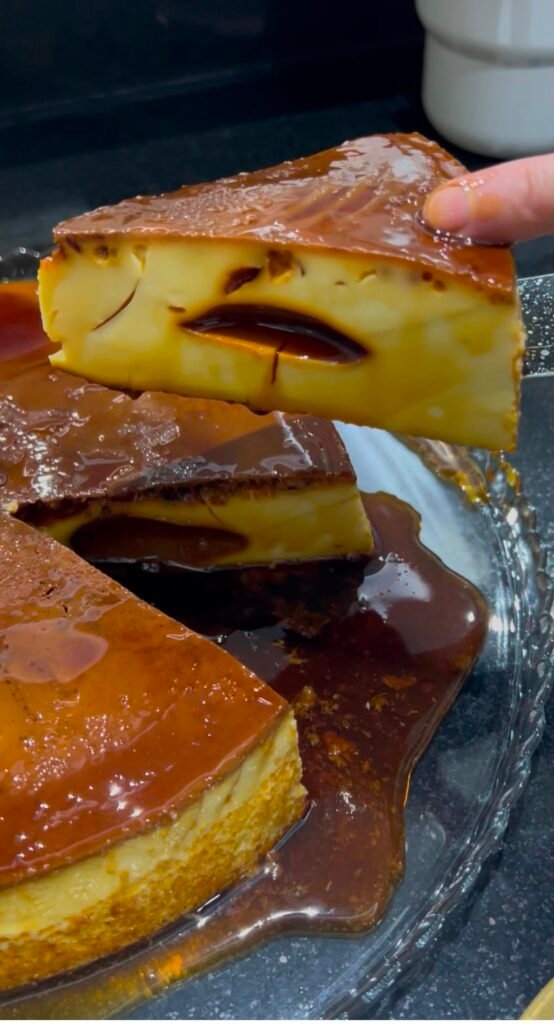
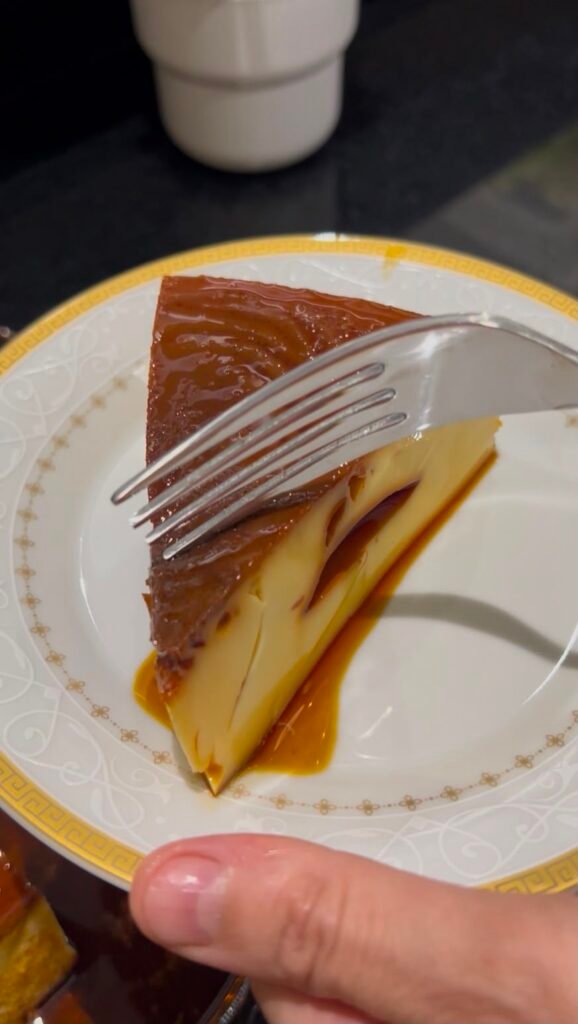
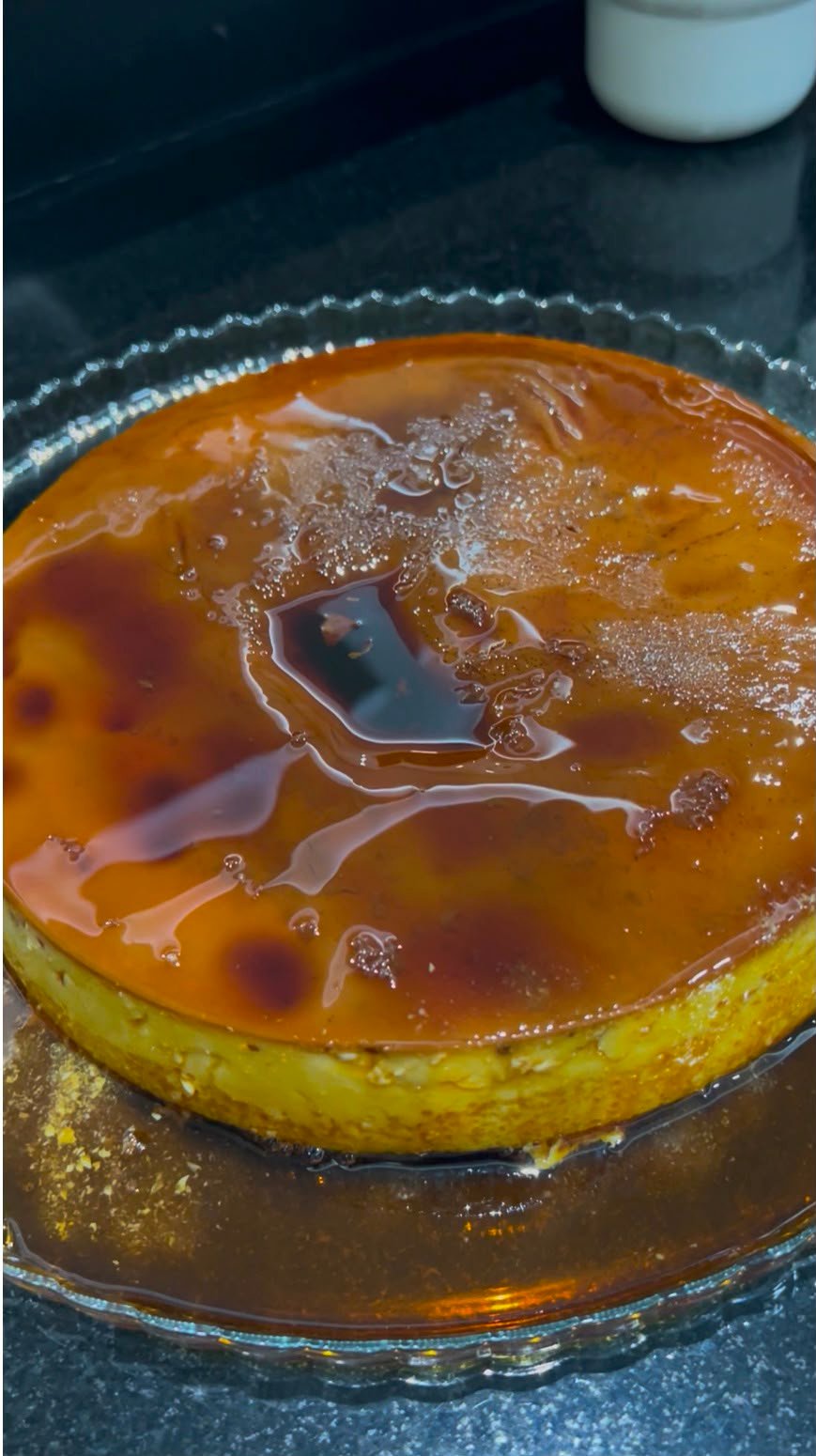
If you want a Venezuelan flan recipe that slices into silky, custardy perfection with those signature little holes running through it, this quesillo is the one. The first time the caramel hit the warm custard and I flipped it onto the plate, that amber sauce came pouring down the sides like glass – and I knew this dessert was going straight into my regular rotation. With four kids in the house, a dessert this smooth never sticks around long. Here’s exactly how I make it, plus every tip I learned so yours sets perfectly the first time.
Why You’ll Love This Venezuelan Flan
- Blender-easy. No tempering, no fancy technique – everything goes in the blender and gets poured.
- Those signature holes. Real quesillo has a delicate, sponge-like network of tiny holes. That’s not a mistake – it’s the whole point, and it’s what sets it apart from a dense French flan.
- Make-ahead friendly. It needs to chill anyway, so it’s the perfect dessert to make the night before guests arrive.
- Rich but not heavy. The powdered milk gives it body and a deep dairy flavor without making it dense.
Ingredient Notes for the Best Quesillo
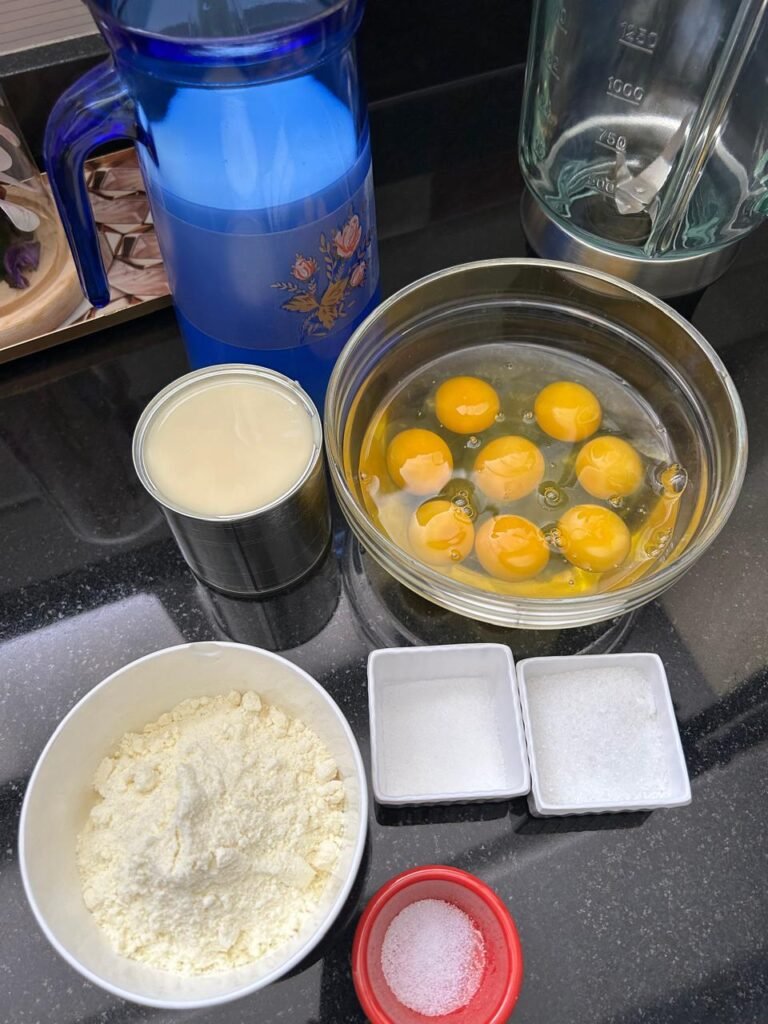
Most of this is pantry-simple, but a few ingredients decide whether your flan sings or flops.
Powdered milk
Don’t skip this. The powdered milk is what gives Venezuelan quesillo its signature richness and firmer, sliceable body. Regular flan doesn’t use it – this is a big part of what makes the texture distinctly Venezuelan.
Sweetened condensed milk
Use the full-fat can, not evaporated milk (they’re not the same thing, and swapping them is the #1 reason a flan turns out watery). One 13 oz can is your sweetness backbone.
Sugar for the caramel
Plain white granulated sugar is best. It melts clean and clear into that deep amber. Keep extra on hand – the caramel is separate from the sugar in the custard.
My biggest tip: pull the caramel off the heat the second it turns deep amber. It keeps cooking from residual heat, and burnt caramel turns bitter fast.
How to Make Venezuelan Flan – Step by Step
Start with the caramel. Melt your sugar in a dry pan over medium heat until it turns a deep golden amber, then pour it straight into your baking dish and tilt to coat the bottom (see photo). Work fast – caramel hardens quickly. This hardened layer melts back into sauce during baking, which is why you flip the flan to serve.
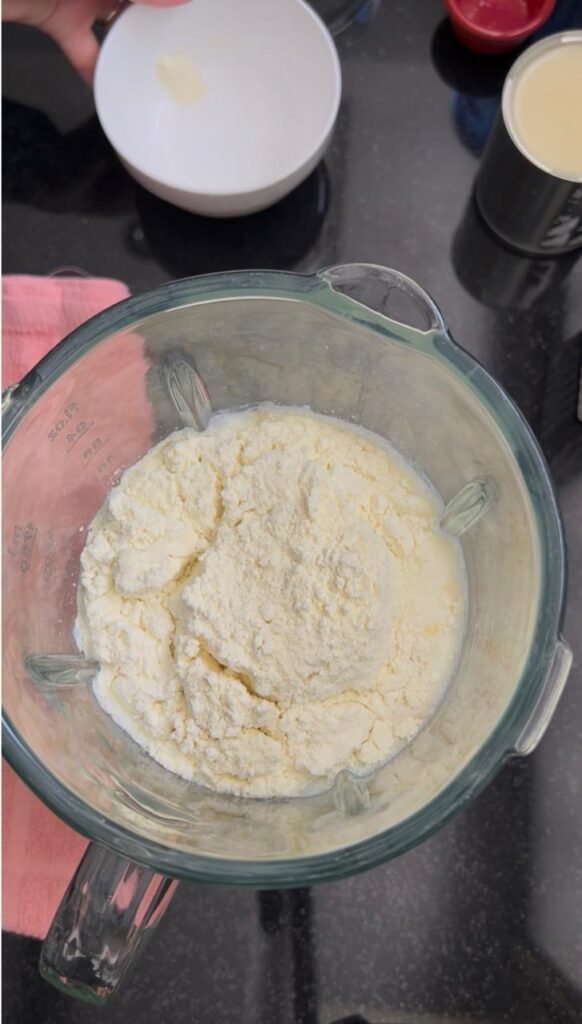
Blend the custard. Add eggs, milk, powdered milk, sugar, condensed milk, salt, and vanilla to the blender and run it until smooth and frothy. The blender is what gives quesillo its airy, hole-filled texture – that froth is doing real work.
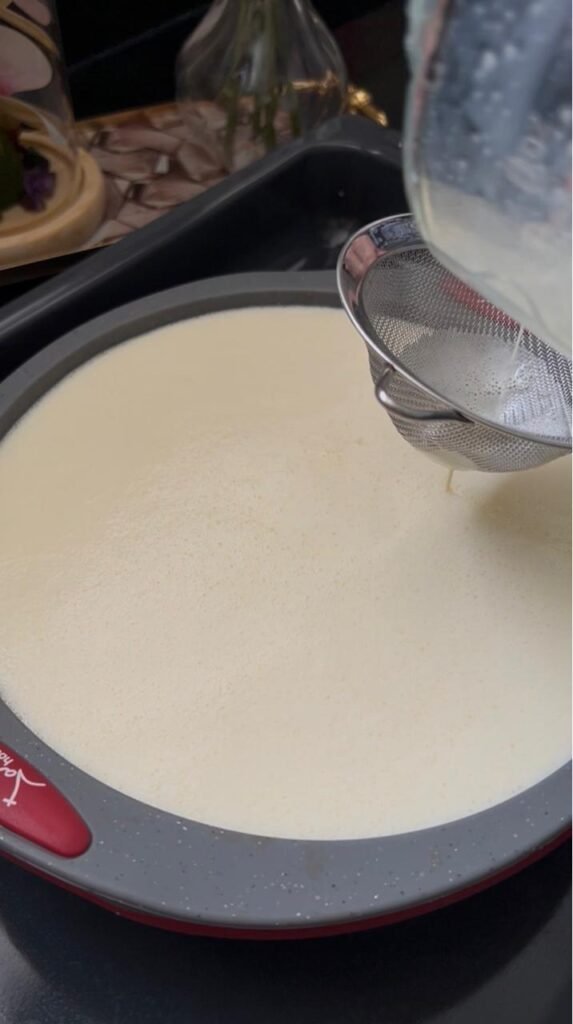
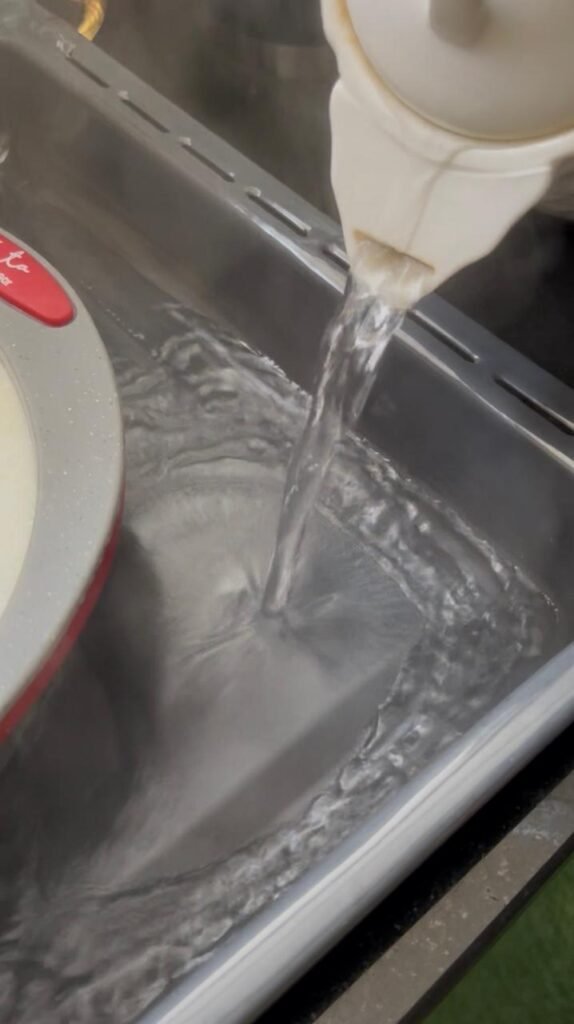
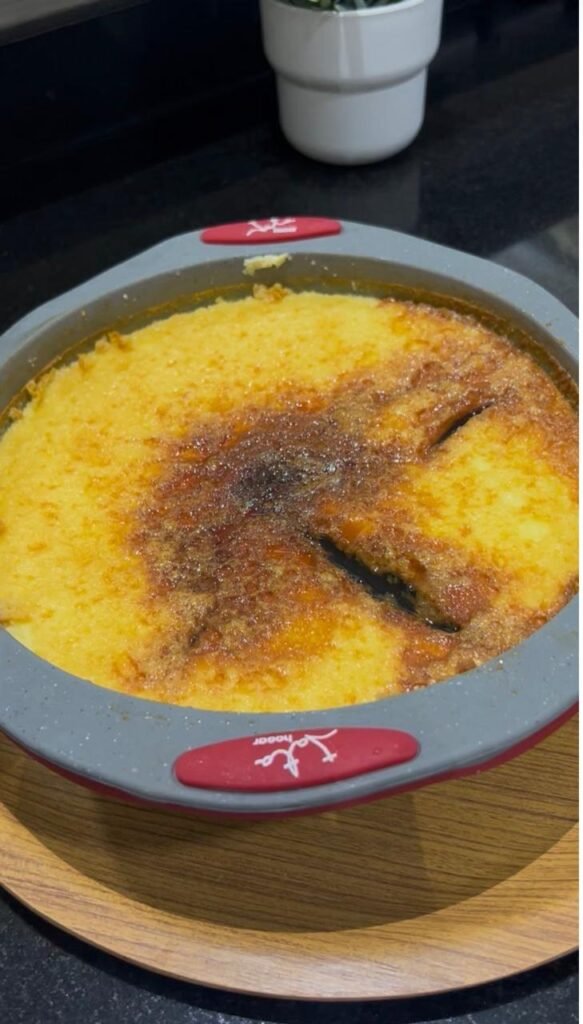
Strain and bake in a water bath. Pour the mix through a sieve over your set caramel to catch any lumps (see photo). The water bath is non-negotiable: it surrounds the flan with gentle, even heat so the custard sets slowly instead of scrambling. Bake at 320°F (160°C) for about an hour, until the center still has a slight jiggle.
Chill, then flip. Cool completely, then refrigerate at least 5 hours – overnight is even better. Run a knife around the edge, set a plate on top, and flip. That’s the moment the caramel comes flooding down.
My Top Tips
- Room-temperature eggs blend smoother and bake more evenly than cold ones.
- Don’t overbake. A slight jiggle in the center means perfect. Fully firm in the oven means overcooked and rubbery once chilled.
- Use hot water in the water bath so the flan starts cooking at the right temperature immediately.
- Patience on the chill. Flipping too early is the fastest way to a broken flan. It needs those hours to fully set.
Common Problems & Fixes
Why did my flan come out with big holes instead of small ones?
Big air pockets usually mean the oven ran too hot or there was no water bath. Keep the temperature at 320°F and always use the water bath so the custard sets gently and evenly.
Why is my flan watery or not setting?
This almost always comes down to underbaking or swapping condensed milk for evaporated milk. Bake until only the very center jiggles, and always use full sweetened condensed milk.
Why did my caramel turn hard and bitter?
The caramel cooked too long. Pull it off the heat the instant it hits deep amber – it keeps darkening from residual heat, and a few extra seconds is the line between rich and burnt.
Why won’t my flan release from the dish?
It likely needs more chill time, or the edges need loosening. Refrigerate the full 5 hours, then run a thin knife all the way around before flipping.
Storage & Make-Ahead
Keep the flan covered in the refrigerator for up to 4 days – the texture actually improves on day two as it fully sets. I don’t recommend freezing; the custard turns grainy once thawed. Because it needs a long chill anyway, this is a dessert I almost always make a day ahead, which takes all the pressure off when I’m feeding a full table.
FAQ
What is Venezuelan flan called?
It’s called quesillo. While many countries have their own flan, Venezuelan quesillo is known for the tiny holes throughout the custard, created by blending the eggs until frothy. It’s firmer and more sliceable than a classic French crème caramel.
What’s the difference between flan and quesillo?
Quesillo is the Venezuelan style of flan. The main differences are the signature little holes, the use of whole eggs (not just yolks), and often powdered milk for extra body. The result is a lighter, spongier texture than dense traditional flan.
Can I make Venezuelan flan without a blender?
You can whisk it by hand, but the blender is what creates the classic frothy texture and even holes. If you whisk manually, whisk vigorously for a couple of minutes to work in enough air for that signature quesillo look.
How long does Venezuelan flan need to chill?
At least 5 hours, but overnight is best. The long chill is what lets the custard fully set so it holds its shape and slices cleanly when you flip it. Rushing this step is the most common reason a flan falls apart.
This Venezuelan flan has earned its permanent spot in my kitchen, and I have a feeling it’ll do the same in yours. If you make it, I’d love for you to try it alongside one of my other recipes here – and you can watch exactly how I pulled this quesillo together in my short video. Happy baking from my kitchen to yours.
Venezuelan Flan (Quesillo)
Ingredients
Method
- Melt the extra sugar in a dry pan over medium heat until deep golden amber. Quickly pour into your baking dish, tilting to coat the bottom. Let it cool and harden.
- Add the eggs, milk, powdered milk, sugar, condensed milk, salt, and vanilla to a blender. Blend until completely smooth and frothy.
- Pour the custard through a fine sieve directly over the set caramel for an extra-silky texture.
- Place the dish inside a larger pan filled with hot water (water bath). Bake at 320°F (160°C) for 1 hour, until set with a slight jiggle in the center.
- Let the flan cool completely, then refrigerate at least 5 hours (overnight is best).
- Run a knife around the edges, place a plate on top, and flip. Slice and serve chilled.